October 25, 2026
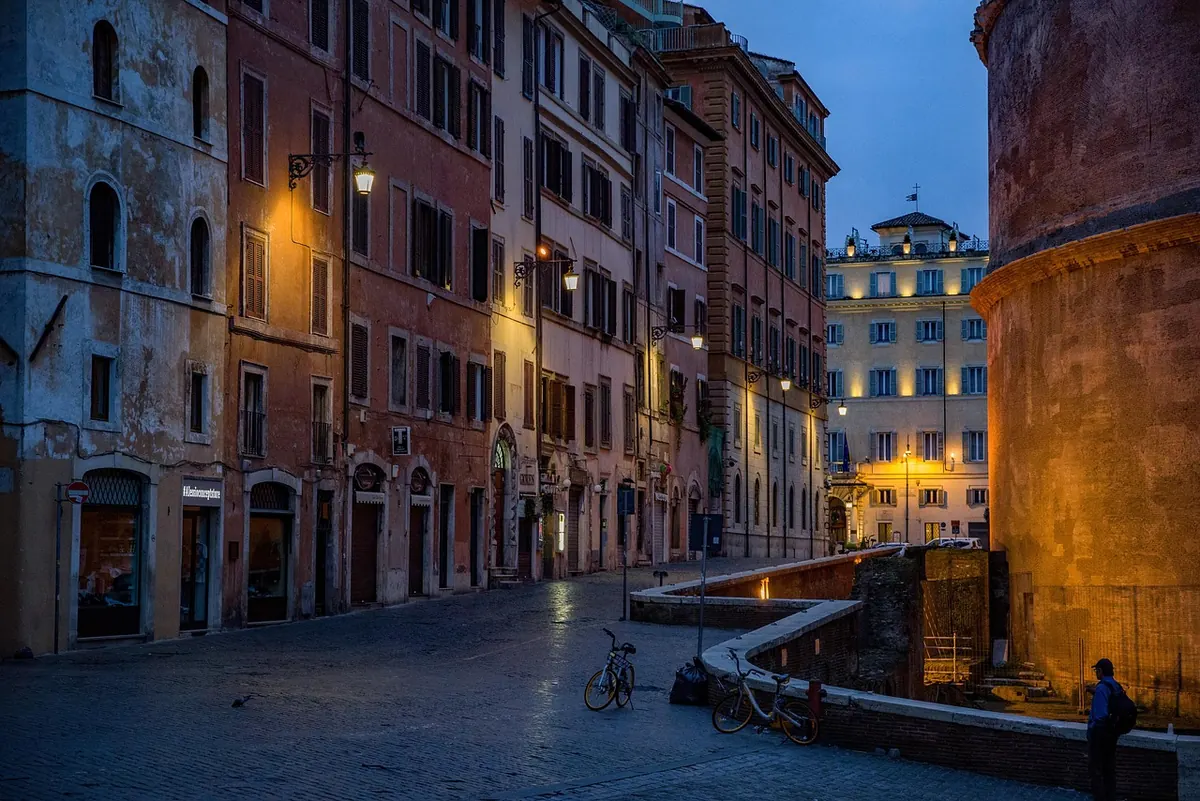
Rain in Rome rarely arrives the way visitors picture it. Not the soft afternoon shower that sends everyone under an arcade for ten minutes, but a stubborn, all-day soak that turns the sampietrini into a skating rink and makes the pavement outside the Pantheon a shallow lake. Add a weather alert — a message from the Comune or the civil protection service warning that something heavier is on the way — and the weekend you built around museum queues and an evening in Trastevere needs a different kit. The good news is that packing for it takes less room than you would think, and a wet Rome, with fewer people in it, is still worth the trip.
Read the alert before you read the forecast
Weather alerts in Italy are not the same thing as a forecast. They are civil protection notices about hydrogeological risk: the chance that heavy rain, thunderstorms or strong wind will cause flooding, landslides or falling trees in a given area over a given stretch of hours. They come in three colours, and the colour is about what you should do, not what the sky looks like outside your hotel window.
- Yellow — be aware. Rain is likely to be heavy enough to cause local problems. Carry on, but plan around the worst hours and avoid low-lying streets and riverbanks.
- Orange — be prepared. Expect disruption: flooded underpasses, delayed buses, closed parks and archaeological sites. Keep the day short and close to shelter.
- Red — avoid unnecessary travel. If a red alert is issued for the area you are in, treat it seriously and stay put until it passes.
Check the alert twice a day: once in the evening, when the outlook for tomorrow firms up, and once over breakfast. Alerts carry a time window, and that window is the most useful part of the message. If the worst is forecast between two in the afternoon and nine at night, you can still walk the Appian Way in the morning with a decent jacket. Screenshot the alert before you leave the room; phone batteries and mobile data have a habit of giving up exactly when you need them.
Choose one bag and commit to it
Half the misery of a rainy city break comes from luggage that leaks. A roll-top backpack or a bag with a proper rain cover will outlast any leather tote, and a wheeled suitcase dragged across wet cobblestones is a guaranteed soaking for everything inside it. Line the main compartment with a light dry bag or a large zip-top plastic bag, and pack the things that must stay dry — passport, spare battery, a change of socks — in their own small bags inside that. Double-bagging sounds fussy until the first afternoon you come back to the room with a bag that squelches.
Layer for a wet city, not for a mountain
Rome in the rain is mild and damp, not cold and crisp, so the goal is to stay dry from the outside in and to be able to shed a layer indoors. Churches, museums and trattorias are all overheated. Wear a waterproof shell with taped seams and a hood that actually stays up, over a light wool or synthetic mid-layer, over a base that is not cotton. Denim is the enemy: it holds water, dries slowly and stays cold against the skin for hours.
Bring more socks than you think you need, one pair per day plus a spare, and pack them in plastic. A thin scarf earns its place on windy corners and inside chilly basilicas. If you wear glasses, add a microfibre cloth; if you wear a cap, wear it under the hood so the brim keeps rain off your face.
Feet first: the one decision that makes or breaks the weekend
Wet sampietrini are polished by decades of traffic and become genuinely slippery, and the marble steps around churches and monuments are worse. That rules out smooth soles, brand-new shoes and anything suede or canvas. Waterproof walking shoes or short boots with deep tread are the sensible answer; two pairs, rotated day by day, are better still, because a shoe that never dries will smell and rub by the third morning. Stuff wet shoes with newspaper overnight and keep blister plasters in your day bag. If you have balance or mobility problems, take the alert colours seriously and shorten your walking distances rather than pushing through.
The small dry kit you keep on your body
Assume your outer layer will eventually let something through, and protect the things that are expensive or hard to replace. A phone in a waterproof pouch, cards and a little cash in a zip bag, a power bank kept warm in an inside pocket, tissues, hand sanitiser. A compact umbrella lives in the side pocket; a second, smaller one in the bag is not paranoia if you are travelling with someone else. When the wind gets up, a hood beats an umbrella that turns inside out on the Ponte Sisto.
If an orange or red alert is in force, treat the day as a transport problem first and a sightseeing problem second. Everything else follows from that.
Adjust the plan, not the trip
Roman rain often comes in bands, so watch the radar rather than the headline and go out in the gaps. Build each day around one indoor anchor within walking distance of the next: the Palazzo Massimo, the Centrale Montemartini, a covered market like Testaccio, a long lunch, a church with a good floor and a dry portico. Remember that parks and archaeological sites close when alerts escalate, and check before you set out rather than after a forty-minute bus ride.
Metro lines keep running when buses crawl, so favour itineraries that sit near a station. Avoid underpasses, the Tiber embankments and any street where water is moving across the surface; a shallow-looking flood on a Roman street can hide an open drain or a deep dip in the road. If you are heading out of the city, Ostia and the coast can be hit harder than the centre — worth checking the local alert zone before committing to the train.
A ten-minute check before you leave the room
- Read today's alert colour and note the time window, then screenshot it.
- Check the radar and pick your two outdoor hours.
- Confirm the opening status of any site or park on the list.
- Charge the phone and the power bank; refill a small water bottle.
- Repack the day bag: dry socks, phone pouch, tissues, plasters, umbrella.
- Leave a dry change of clothes laid out in the room for the return.
Do that, and a rainy weekend in Rome stops being a compromise. You get the city at its quieter, more atmospheric best — wet stone, coffee bars full of locals, and no queue at all at the door of the church you wanted to see.
Photo: djedj / Pixabay